
One of the best ways to help save money long term is by reducing your energy bills and there are lots of ways that you can do this! Saving energy also has the extra benefit of being better for the planet too – so how do you go about doing this?
Firstly, check your bills and work out if you can what you are using and when you are using it. This is a good starting point and also means that you can then compare tariffs and shop around with other energy suppliers to see if you can get a better deal and choose a tariff that suits your lifestyle and energy use.
A smart meter is also something that can help to save you money on your bills, as they allow you to monitor your own energy usage and work out how much you are spending a day as well as what is using the most energy.
When you know this, it also means that you can work out what appliances are costing you more to run. Modern appliances tend to be better for saving energy, especially if you look for appliances that specifically do this, so if it is time to replace any appliances and electricals look out for the ones that are best at saving energy.
As well as your appliances, you should also think about your heating. If you have a gas boiler, getting it serviced by a professional like this boiler servicing Cheltenham based company https://www.blu-fish.co.uk/gas-heating-services-cheltenham/boiler-servicing-cheltenham/ on a regular basis helps to keep it running smoothly and also means that if there are issues that is causing your boiler to work less efficiently, they can be resolved.
Home insulation is also important when it comes to saving energy – if you have doors and windows that are draughty, or you don’t have suitable loft insulation, then you are going to be paying more to heat your home as the warm air will be escaping.
If you were looking for ways to make your home eco friendly, a great long term investment is to install solar panels. This way you are not relying on energy from the grid and you can generate your own electricity, which ultimately makes your home cheaper to run.
Practical steps that cut energy use
Once you understand your bills, small changes can make a noticeable difference. Turning the thermostat down by just one degree saves money, and you will probably not notice the change. Homes with no thermostat at all benefit greatly from having one fitted.
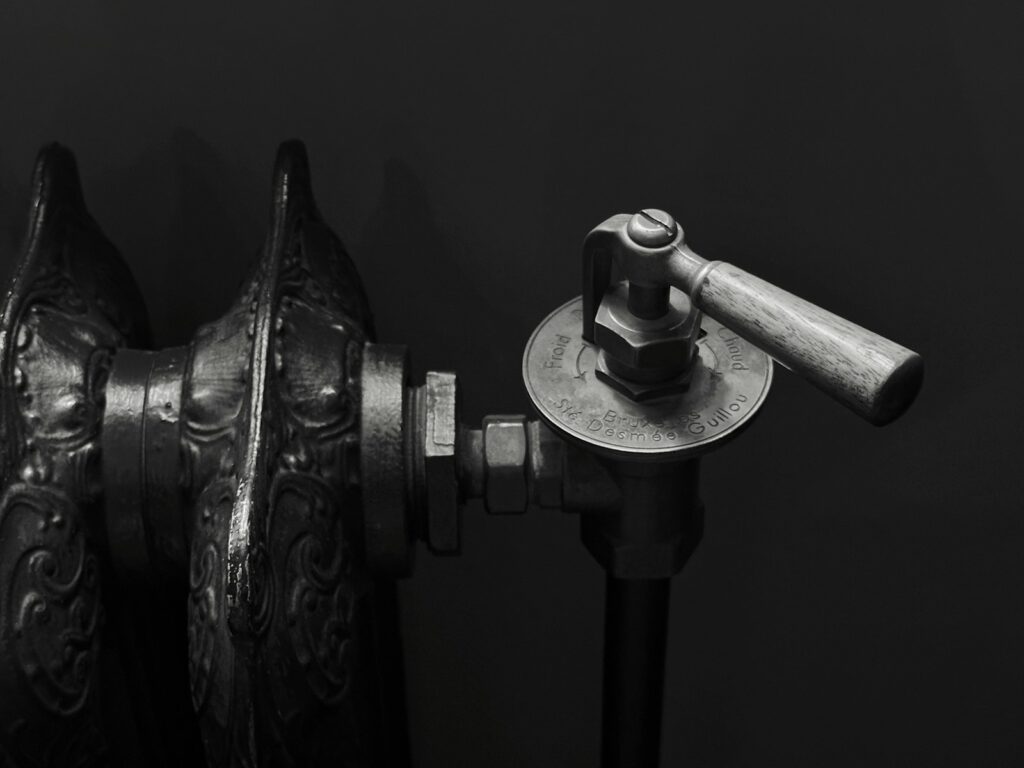
Insulation reduces heat loss, so the heating runs less. Loft and cavity wall insulation are a good start, and solid wall insulation and double glazing go further. Topping up thin loft insulation helps too.
Get to know your meter. Checking it regularly shows when you use the most energy and which appliances are responsible, and sending readings to your supplier can reveal overpayment. Energy labels make it easy to spot the hungriest appliances. Heating accounts for more than half of household energy use, so replacing an old, inefficient boiler with a modern condensing model, plus good controls, can eventually pay for itself.